
Why Your Thumb Hurts: CMC Joint Arthritis and Modern Treatment Options
What Is CMC Joint Arthritis?
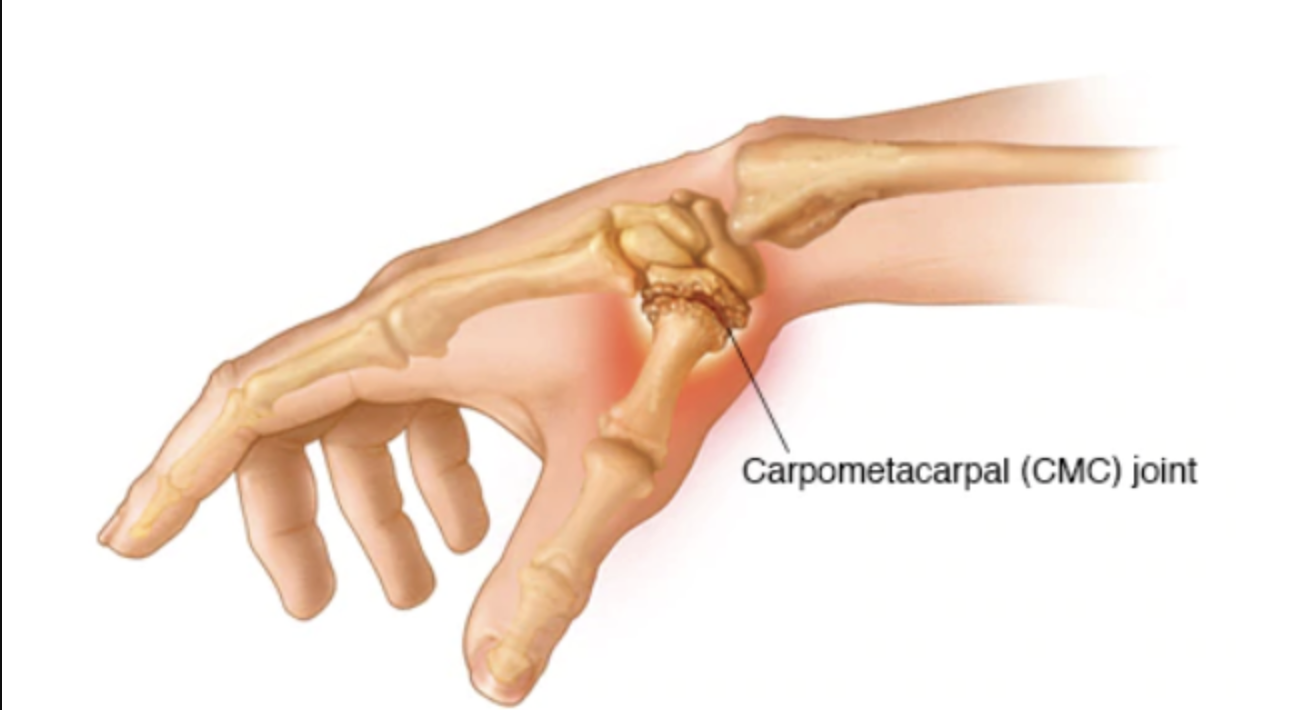
CMC (carpometacarpal) joint arthritis—often called thumb arthritis or basal joint arthritis—is a common condition that affects the joint at the base of the thumb. This joint allows the thumb to move in multiple directions, making it essential for gripping, pinching, and performing fine motor tasks such as typing, writing, and opening jars.
When the cartilage that cushions this joint begins to wear down, the bones may rub together. This can lead to pain, stiffness, swelling, and reduced thumb strength, making everyday activities more difficult.
CMC joint arthritis is one of the most common causes of chronic thumb pain, especially in adults over the age of 40.
Common Symptoms of CMC Joint Arthritis
Symptoms of CMC joint arthritis often develop gradually and may worsen over time. Common signs include:
- Pain at the base of the thumb
- Stiffness or reduced thumb movement
- Swelling or tenderness near the thumb joint
- Weak grip or pinch strength
- Difficulty opening jars, turning keys, or using tools
- Grinding, clicking, or popping sensations in the joint
Symptoms may worsen with repetitive gripping, pinching, or manual activities.
What Causes Thumb (CMC) Joint Arthritis?
CMC joint arthritis typically develops due to cartilage degeneration, but several factors can increase the risk, including:
- Aging and natural wear and tear
- Repetitive thumb use, such as manual labor, sports, or frequent device use
- Previous thumb injuries or fractures
- Genetic predisposition to joint degeneration
- Hormonal factors, as women are more likely to develop thumb arthritis
As cartilage deteriorates, inflammation and joint instability can develop, leading to chronic discomfort and reduced function.
How Is CMC Joint Arthritis Diagnosed?
A healthcare provider may diagnose CMC joint arthritis through:
- A physical exam to evaluate pain, joint stability, and range of motion
- Imaging such as X-rays to assess cartilage loss, bone changes, and joint alignment
Early diagnosis can help preserve thumb function and slow progression.
Modern Treatment Options at LifeStem
LifeStem offers advanced treatment approaches designed to reduce inflammation, support tissue health, and improve joint function without surgery when possible.
Platelet-Rich Plasma (PRP) Therapy
PRP therapy uses a concentrated portion of a patient’s own blood platelets, which contain growth factors that may support healing and reduce inflammation.
Potential benefits include:
- Reduced joint pain and inflammation
- Improved thumb mobility and function
- Minimally invasive, in-office procedure
- Little to no downtime
PRP is commonly used for joint, tendon, and ligament conditions.
Cellular Therapy Approaches
Cellular therapy approaches use biologic materials to support joint tissue health and encourage the body’s natural repair processes. These therapies are designed to improve the joint environment and may help reduce symptoms for certain patients.
Potential benefits include:
- Support for cartilage and joint tissue health
- Long-term symptom improvement for some individuals
- Non-surgical option for select patients
LifeStem providers evaluate each patient individually to determine the most appropriate treatment plan.
Who May Be a Candidate for Modern Treatment Options?
You may be a candidate for PRP or cellular therapy approaches at LifeStem if:
- You have mild to moderate CMC joint arthritis
- Thumb pain affects daily activities or work tasks
- Conservative treatments have not provided lasting relief
- You want to explore non-surgical treatment options
- You are looking to delay or avoid joint surgery
A consultation at LifeStem can help determine which therapies may be appropriate for your condition and goals.
What to Expect After Treatment
Most modern treatments are performed in-office and require minimal downtime. Some patients experience mild soreness after treatment, followed by gradual improvement over several weeks as the joint responds.
Results vary depending on arthritis severity, lifestyle factors, and individual response to therapy.
When Should You Schedule an Evaluation at LifeStem?
You should consider scheduling an evaluation with LifeStem if:
- Thumb pain lasts more than a few weeks
- Grip weakness interferes with daily tasks
- Symptoms worsen despite home care or medications
- You want to explore advanced non-surgical treatment options
LifeStem’s medical team can evaluate your thumb joint and recommend a personalized care plan.
Next Steps
If thumb pain from CMC joint arthritis is affecting your quality of life, LifStem offers modern treatment options designed to reduce symptoms and improve function.
Schedule a consultation with LifeStem to learn more about available therapies and create a personalized treatment plan.