
Recovery and Strength for Chronic Ankle Sprains Using PRP and Cellular Therapy
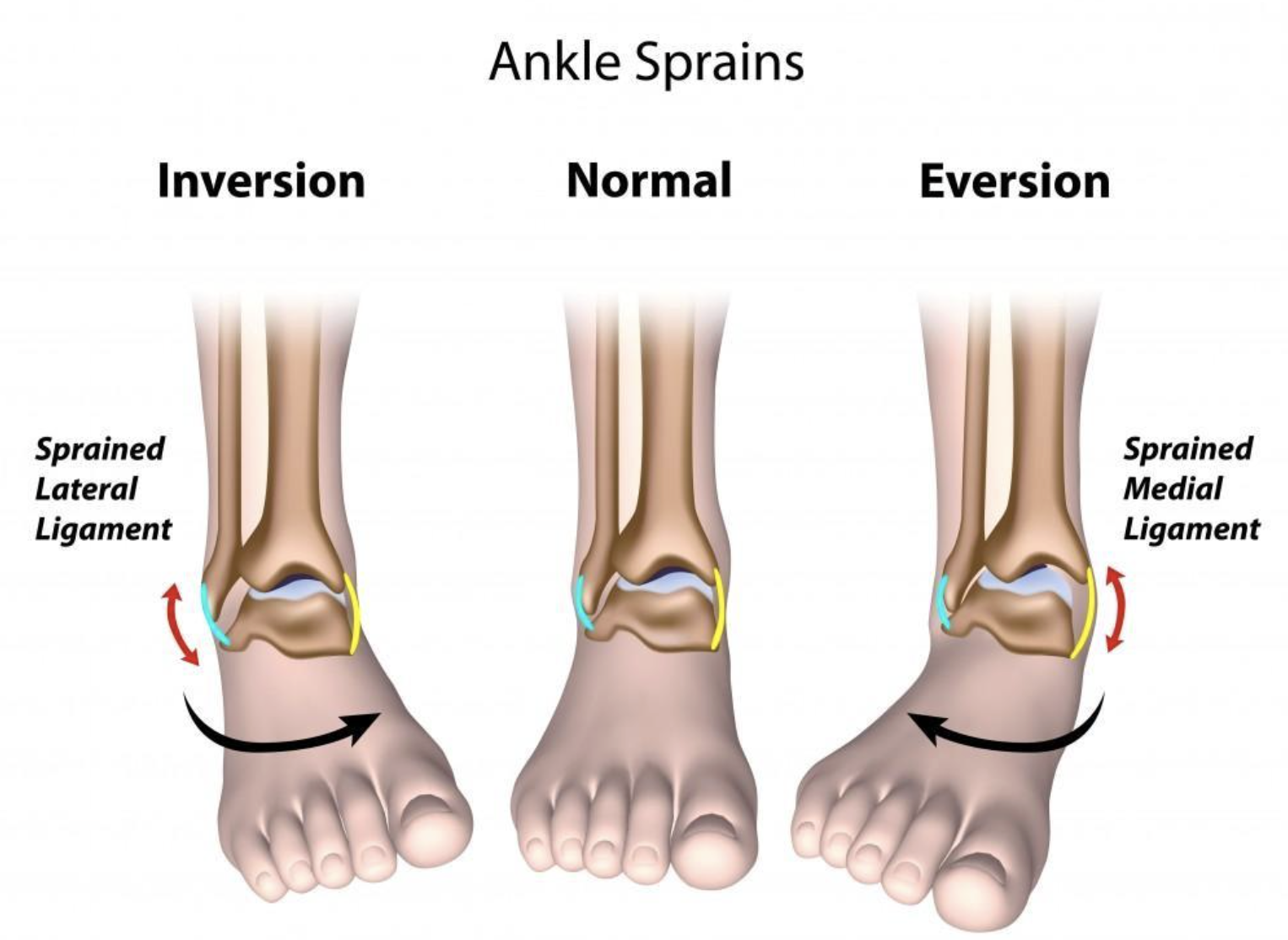
Chronic ankle sprains are a common issue that can lead to persistent pain, instability, and an increased risk of future injuries. For Houston patients seeking non-surgical solutions, regenerative therapies such as PRP and cellular therapy offer options to support healing, reduce inflammation, and improve ankle function.
Understanding Chronic Ankle Sprains
A chronic ankle sprain occurs when the ligaments supporting the ankle are repeatedly injured or fail to fully heal after an initial sprain. This can cause ongoing discomfort, swelling, and a feeling of instability during walking, running, or other physical activities. Without proper management, chronic sprains can compromise balance and increase the likelihood of further injury.
Traditional treatments include rest, physical therapy, bracing, and anti-inflammatory medications. While these approaches can help, regenerative therapies provide additional support by encouraging the body’s natural repair mechanisms.
PRP Therapy for Ankle Ligaments
Platelet-rich plasma (PRP) therapy uses the patient’s own blood components, which are rich in growth factors, to promote healing in damaged tissues. When injected into the ligaments or soft tissues around the ankle, PRP may help reduce inflammation and support tissue repair.
PRP therapy is minimally invasive and typically performed in an outpatient setting. Most patients experience only mild soreness at the injection site, and recovery is generally faster compared to surgical interventions. In Houston, PRP has become a popular non-surgical option for patients managing chronic ankle instability.
Cellular Therapy for Regenerative Support
Cellular therapy utilizes regenerative cells to enhance healing and support ligament repair. For chronic ankle sprains, cellular therapy may improve tissue recovery, reduce inflammation, and enhance stability. In some cases, it can be combined with PRP to maximize the potential benefits.
At LifeStem in Houston, cellular therapy is administered under professional supervision, with treatments tailored to each patient’s specific injury and activity level. This personalized approach helps patients achieve the best possible outcomes while avoiding surgery when appropriate.
Benefits of Non-Surgical Regenerative Therapies
Non-surgical regenerative treatments like PRP and cellular therapy offer several potential benefits for chronic ankle sprains:
- Supporting natural tissue repair
- Reducing inflammation and discomfort
- Improving ankle stability and mobility
- Minimizing downtime compared to surgery
- Providing a tailored, patient-specific treatment plan
While these therapies are not a cure for chronic ankle sprains, many patients experience meaningful improvements in comfort, stability, and overall ankle function when regenerative therapies are combined with physical therapy and proper rehabilitation exercises.
Who Can Benefit from PRP or Cellular Therapy?
PRP and cellular therapy may be particularly useful for Houston patients who experience recurrent ankle sprains, persistent pain, or limited mobility despite standard treatments. A thorough evaluation by a qualified healthcare provider is essential to determine the most appropriate course of care.
At LifeStem, our specialists assess each patient’s injury, activity level, and medical history to create individualized treatment plans. Regenerative therapies are intended to support healing, reduce inflammation, and improve function, rather than fully replace damaged ligaments. When combined with physical therapy, bracing, and preventive strategies, these therapies can significantly enhance recovery.
Conclusion
Chronic ankle sprains can have a lasting impact on mobility and daily life. For Houston patients, non-surgical regenerative options like PRP and cellular therapy provide a safe and professional approach to supporting healing, improving stability, and reducing discomfort.
At LifeStem, our medical team works closely with patients to develop treatment plans that align with their goals and lifestyle. If you experience repeated ankle injuries or ongoing instability, exploring PRP and cellular therapy may help support your recovery and protect your ankle function in the long term.