
Non-Invasive Approaches to Tarsal Tunnel Syndrome in Houston Using Cellular Therapy
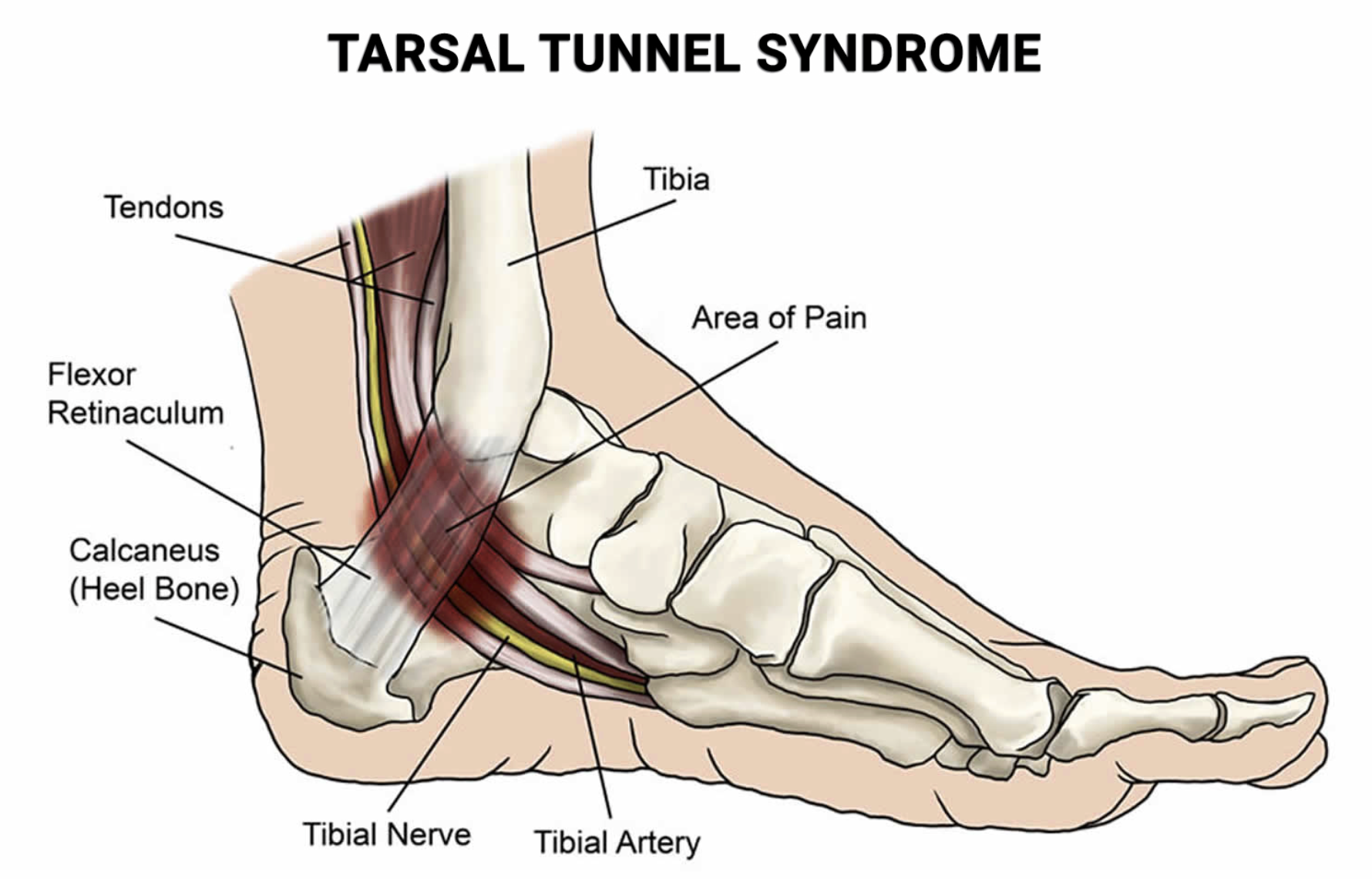
Tarsal tunnel syndrome is a condition caused by compression of the tibial nerve as it passes through the tarsal tunnel in the ankle. This compression can lead to pain, tingling, numbness, and weakness in the foot and ankle. Patients in Houston experiencing these symptoms often seek non-surgical options to manage discomfort and improve function. Regenerative therapies such as PRP and cellular therapy are emerging as promising solutions to support healing, reduce inflammation, and enhance nerve health.
Understanding Tarsal Tunnel Syndrome
The tarsal tunnel is a narrow space on the inside of the ankle, bordered by bone and ligament structures. Within this tunnel runs the tibial nerve, which supplies sensation and motor function to parts of the foot. When the nerve is compressed due to swelling, injury, or repetitive stress, patients may experience symptoms including:
- Tingling or burning sensations in the sole or toes
- Numbness in the foot or heel
- Sharp or aching pain along the inner ankle
- Weakness or difficulty with foot movement
Common causes include ankle injuries, inflammation from arthritis, repetitive strain, or structural abnormalities. Without proper care, tarsal tunnel syndrome can significantly affect mobility and daily activities.
Traditional Treatment Approaches
Standard care for tarsal tunnel syndrome typically begins with conservative measures:
- Rest and activity modification
- Anti-inflammatory medications
- Physical therapy and stretching exercises
- Orthotic devices to support the foot
While these strategies can alleviate symptoms, they may not address the underlying tissue or nerve damage. Surgery is sometimes considered for severe cases, but many patients prefer non-invasive options that promote natural healing and minimize downtime.
PRP Therapy for Tarsal Tunnel Syndrome
Platelet-rich plasma (PRP) therapy uses components of the patient’s own blood, concentrated to include growth factors, which may support tissue repair and reduce inflammation. For tarsal tunnel syndrome, PRP injections can be targeted around the tibial nerve and surrounding soft tissues to help relieve irritation and support healing.
PRP is minimally invasive, performed in an outpatient setting, and generally involves little recovery time. Most patients experience only minor discomfort at the injection site, and therapy can be incorporated alongside other non-surgical treatments for optimal results. In Houston, PRP has become a widely sought option for patients looking to avoid surgical intervention.
Cellular Therapy for Nerve and Tissue Support
Cellular therapy uses regenerative cells to aid in tissue repair, reduce inflammation, and support overall function. When applied for tarsal tunnel syndrome, cellular therapy may help improve nerve health, reduce pressure on the tibial nerve, and enhance recovery.
At LifeStem in Houston, cellular therapy is administered by qualified medical professionals who tailor treatments to each patient’s condition and needs. This personalized approach ensures safety, effectiveness, and the best possible support for the foot and ankle.
Benefits of Non-Surgical Regenerative Therapies
Non-invasive therapies like PRP and cellular therapy provide multiple potential benefits for patients with tarsal tunnel syndrome:
- Supporting natural tissue and nerve healing
- Reducing inflammation and pain in the foot and ankle
- Improving mobility and foot function
- Minimizing downtime compared to surgical intervention
- Providing a personalized treatment plan based on individual needs
While these therapies are not a cure, many patients experience meaningful improvements in comfort, mobility, and quality of life. When combined with physical therapy, proper footwear, and lifestyle adjustments, regenerative treatments can significantly enhance recovery outcomes.
Combining Regenerative Therapies with Physical Therapy
Physical therapy plays a critical role in managing tarsal tunnel syndrome. Stretching exercises, strengthening routines, and activity modifications help relieve pressure on the tibial nerve and improve ankle stability. Combining physical therapy with PRP or cellular therapy can amplify potential benefits, supporting both soft tissue healing and nerve function.
At LifeStem, patients are guided through individualized physical therapy programs alongside regenerative treatments. This comprehensive approach addresses both symptoms and the underlying tissue stress that contributes to nerve compression.
Who Can Benefit from PRP or Cellular Therapy?
Houston patients who may benefit from non-surgical regenerative therapies include those experiencing:
- Chronic tingling, numbness, or pain in the foot or ankle
- Recurrent ankle injuries or inflammation contributing to nerve compression
- Limited response to traditional therapies like rest, anti-inflammatories, or orthotics
- Desire to avoid surgery while supporting natural healing
Each patient undergoes a thorough evaluation, including assessment of nerve function, tissue health, and activity level, to determine the most appropriate treatment plan.
Patient Experience and Recovery
PRP and cellular therapy are outpatient procedures, typically requiring only local anesthesia or mild numbing. Most patients return to normal activities quickly, although they are advised to follow specific recovery and physical therapy protocols to maximize outcomes. Side effects are generally mild and may include temporary soreness, swelling, or bruising at the injection site.
Patients who combine regenerative therapies with guided rehabilitation often report improvements in pain, sensation, and foot function within several weeks, though results vary based on the severity of nerve compression and overall health.
Conclusion
Tarsal tunnel syndrome can significantly impact mobility and quality of life, but non-surgical regenerative therapies offer Houston patients promising options. PRP and cellular therapy may support healing, reduce inflammation, and improve nerve and foot function while avoiding the downtime of surgery.
At LifeStem, our medical team works closely with each patient to develop tailored treatment plans that align with individual goals and lifestyles. If you experience numbness, tingling, or foot pain from tarsal tunnel syndrome, exploring PRP and cellular therapy may provide meaningful support for your recovery and long-term foot health in Houston.